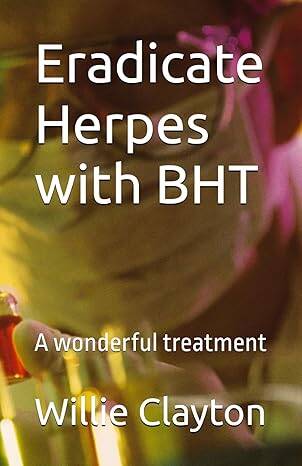
The Overlooked Science of BHT: A Membrane-Active Compound That Challenges What You Thought You Knew About Viral Behavior
What if a little-known compound—quietly studied for decades—held a key insight into how certain viruses function… and how they might be disrupted?
BHT isn’t hype. It’s a lipid-soluble molecule shown in laboratory research to interact with the very membrane that enveloped viruses depend on to infect cells. That alone has made it a subject of scientific curiosity—especially for viruses like herpes simplex.
But here’s what most people miss: while researchers explored its biological effects, regulatory bodies such as the European Food Safety Authority and the Scientific Committee on Consumer Safety were evaluating something else entirely—how much is safe for everyday exposure.
That gap between what BHT can do and how it has been evaluated is where the real story begins.
Inside this breakthrough perspective, you’ll discover:
- ✔ Why lipid-enveloped viruses have a built-in vulnerability—and how membrane-active compounds like BHT interact with it
- ✔ What decades of laboratory research actually show (and just as important—what they don’t)
- ✔ The critical difference between antiviral potential and regulatory safety limits—a distinction most people completely miss
- ✔ How European scientific panels approached BHT—and what their findings really mean when properly understood
- ✔ Why BHT continues to generate interest despite limited mainstream discussion
- ✔ A clear, no-hype explanation of where BHT fits in the broader antiviral landscape
- ✔ How to think intelligently about compounds that exist between established science and emerging possibilities
If you’re tired of oversimplified answers and want a deeper, more honest understanding of how science, safety, and potential intersect—this is where you start.
Important Disclaimer
This content is for informational and educational purposes only and is not intended as medical advice, diagnosis, or treatment. Statements regarding BHT or any other compound have not been evaluated by the Food and Drug Administration. Always consult a qualified healthcare professional before making any health-related decisions.
Ready to Learn More?
👉 Click below to view the book on Amazon and read more.